
When people first enter the world of casino games, there is usually a quiet belief sitting in the background. It is the idea that with enough luck, or perhaps the right strategy, it might be possible to stay ahead of the game.
This belief is understandable. Casinos are full of visible wins. Someone hits a jackpot. Another player celebrates a good hand. Stories of big payouts travel quickly, and they create a sense that success is always just one step away.
At first, everything feels open and unpredictable. A single spin or decision can change the outcome completely. And for short moments, players do win. That is part of what makes the experience exciting.
But beneath all of this, there is a structure that does not change. It is quiet, consistent, and built into every game.
The house always has an edge.
Understanding this idea does not take away from the experience. In many ways, it improves it. It allows you to see what is happening more clearly, and that clarity often leads to better decisions and a more balanced approach to play.
What the House Edge Really Means
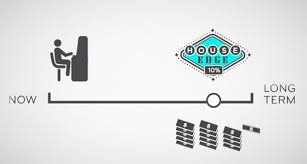
The house edge is a mathematical advantage built into every casino game. It ensures that, over time, the casino retains a small percentage of all the money that is wagered.
This is not something hidden or unfair. It is simply how the games are designed to function.
A useful way to understand it is through its relationship with RTP (Return to Player).
This formula shows that the house edge is the portion of total bets that does not return to players over time.
For example, if a game has an RTP of 96 percent, the house edge is 4 percent. This means that for every 100 units wagered over a long period, approximately 4 units remain with the casino, while 96 are returned to players as winnings.
It is important to understand that this does not apply to a single session. A player may win or lose any amount in the short term. The house edge only becomes visible when results are averaged across many rounds and many players.
How the Edge Works Over Time
In the short term, casino results can feel random and unpredictable. Players may experience winning streaks, losing streaks, or sudden changes in fortune. This randomness is what creates excitement.
However, over time, outcomes begin to align with the underlying mathematics of the game.
This graph represents how results fluctuate in the short term but gradually follow a downward trend determined by the house edge, such as 4 percent.
This pattern can be understood in simple terms. Imagine a long series of bets. At the beginning, results may move in any direction. A player might even build a profit. But as the number of bets increases, the small mathematical advantage of the house begins to influence the overall outcome.
The effect is not sudden or dramatic. It is gradual and steady, like a slight slope that becomes noticeable only over distance.
Real Statistics Across Common Casino Games
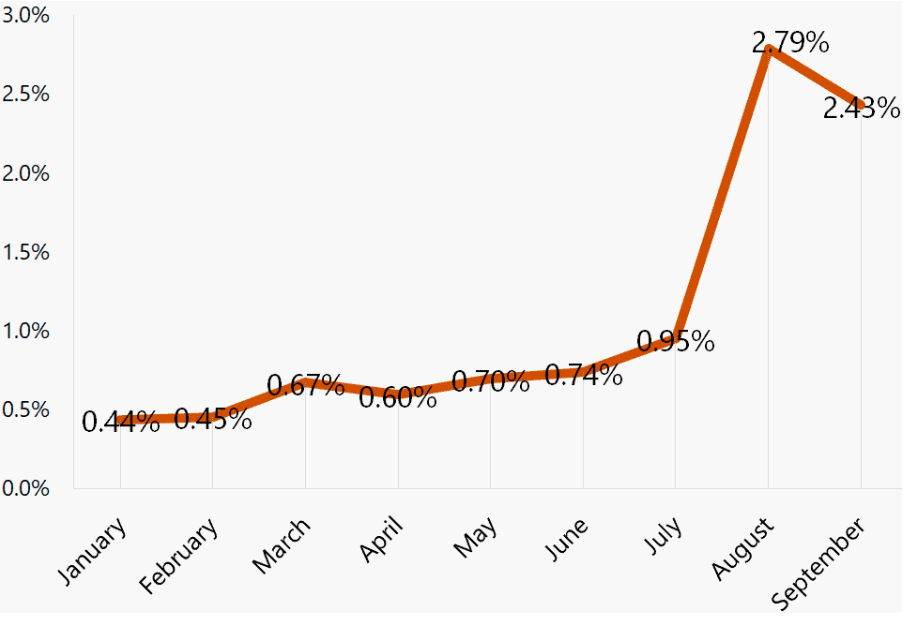
Different games have different house edges, and this variation significantly affects the player experience.
Here are typical figures observed across popular casino games:
- Blackjack (with optimal strategy): approximately 0.5 percent
- Baccarat (banker bet): approximately 1.06 percent
- European roulette: approximately 2.7 percent
- Slot machines: typically between 3 percent and 10 percent, sometimes higher
These differences may appear small at first, but they become meaningful over time.
For example, if a player wagers 10,000 units:
- In blackjack, the expected loss might be around 50 units
- In roulette, around 270 units
- In slot machines, anywhere from 300 to 1,000 units depending on the game
This is why experienced players often pay attention to the type of game they choose. They are not trying to eliminate the house edge, which is not possible, but they are aware that some games are mathematically more favorable than others.
How the House Edge Affects Every Bet
Each bet placed in a casino carries a small built-in disadvantage. This disadvantage is not visible in the moment, but it exists within the structure of the game.
A helpful way to think about it is as a gradual cost that accumulates over time.
Consider a simple example. A player places 100 bets of 100 units each, for a total of 10,000 units wagered. If the game has a house edge of 5 percent, the expected loss over time is 500 units.
However, the actual result may differ significantly in the short term. The player might end up with a profit or a larger loss depending on how the outcomes unfold. This variation is due to chance.
The key point is that while short-term results can vary, the long-term expectation remains consistent.
Observations from Real Players
Discussions among players often reflect similar experiences, regardless of the specific game being played.
Some common observations include:
- Winning sessions that slowly turn into losses over time
- The feeling that money disappears more quickly in certain games
- Longer playtime in games with lower house edges
These patterns are not coincidental. They are direct reflections of how the house edge operates in practice.
One commonly shared sentiment is that the game feels fair in the moment, but over extended play, the balance gradually shifts. This is exactly how the system is designed to work.
Why Some Games Feel Different
Not all games feel the same, even if their house edge is similar. This difference is often influenced by volatility, which describes how wins and losses are distributed.
Some games provide frequent small wins, creating a steady experience. Others offer less frequent but larger payouts, resulting in a more unpredictable pattern.
For example, slot machines often combine higher house edges with higher volatility. This can create periods of rapid losses followed by occasional significant wins.
In contrast, games like blackjack tend to offer more consistent outcomes, which can make the experience feel more controlled.
Understanding this difference helps explain why players may prefer one type of game over another, even when the underlying mathematics is similar.
What This Means for Your Strategy
Recognizing the presence of the house edge changes how a player approaches the game. It shifts the focus from trying to defeat the system to managing one’s experience within it.
A more grounded approach often includes:
- Setting a clear budget before starting
- Choosing games with lower house edges when possible
- Keeping bet sizes consistent and controlled
- Avoiding emotional decisions after wins or losses
This does not remove the excitement of the game. Instead, it provides a framework that helps maintain balance.
Players who adopt this mindset often report a more stable and enjoyable experience. They are less affected by short-term fluctuations and more aware of how the game operates over time.
A Shift in Perspective
Understanding the house edge does not change the outcomes of individual bets. What it changes is perspective.
Instead of viewing each bet as a chance to overcome the system, it becomes part of a broader experience shaped by probability and design.
Wins are still possible, and they remain exciting. Losses are also part of the process, but they feel less surprising when the underlying structure is understood.
This awareness creates a sense of control, not over the results, but over how the game is approached.
Final Thoughts
The house edge is a constant presence in every casino game. It does not prevent players from winning in the short term, but it ensures that, over time, the balance shifts in favor of the house.
It operates quietly, without drawing attention to itself, yet it influences every bet that is placed.
Once this concept is understood, the experience of playing begins to change. Decisions become more thoughtful. Expectations become more realistic. The game itself becomes clearer.
Rather than chasing outcomes, the focus shifts toward understanding and managing the experience.
In the end, the house edge is not something to fear. It is something to recognize.
And that recognition is what allows a player to engage with the game in a more informed and balanced way.